ABOUT MERC

The Indian Institute of Management Kashipur is proud to announce the 6th edition of the Research Colloquium, MERC, at IIM Kashipur. The flagship event of IIM Kashipur, MERC provides an opportunity for doctoral students to present and discuss their research work, gaining valuable insights from peers and leading academics in the field of management. Along with providing a platform to stimulate discussions and networking, MERC intends to offer an invigorating and rejuvenating experience. The program combines theoretical knowledge with practical application, ensuring that participants gain a comprehensive understanding of various facets of management research. The conference aims to equip emerging researchers with the necessary tools to excel in their roles and make a positive impact in organisations and communities. The 3-day immersive event provides the participants with cutting-edge insights, skills, and the tools necessary to navigate their research journey.

Highlights
  • Keynote Address
  • Workshops
  • Campus Tour
  • Paper Presentations
  • Excursion
  • Best Paper Awards

ABOUT IIM KASHIPUR

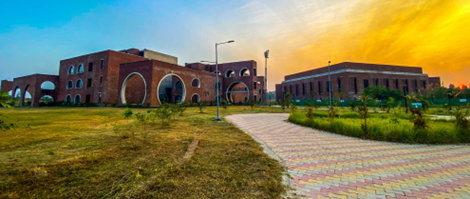
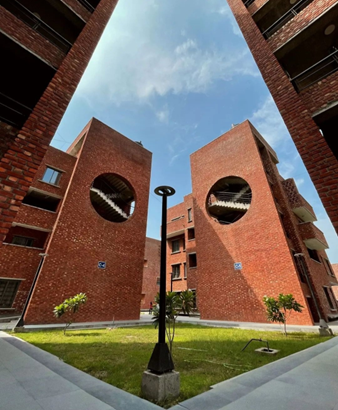
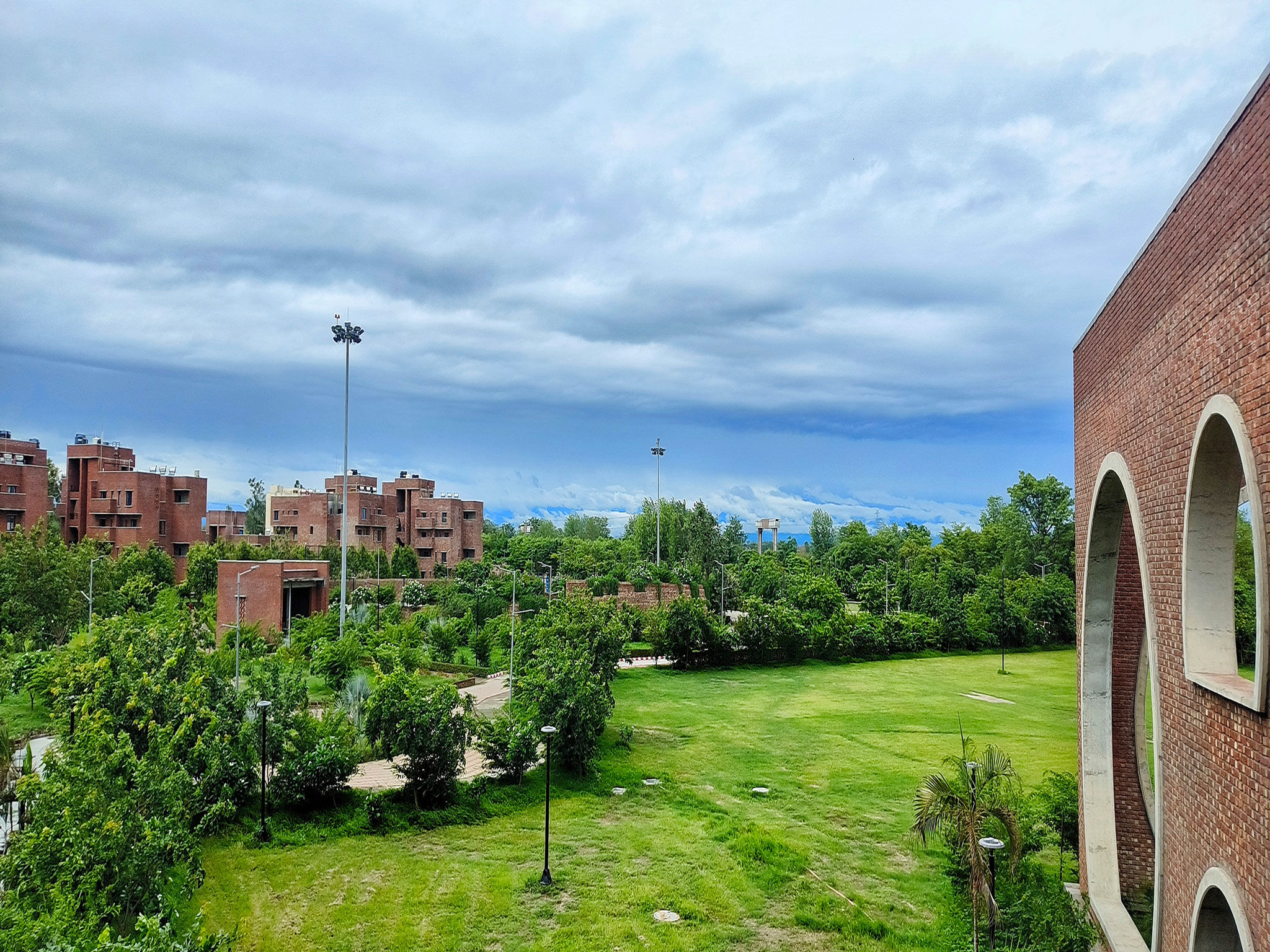
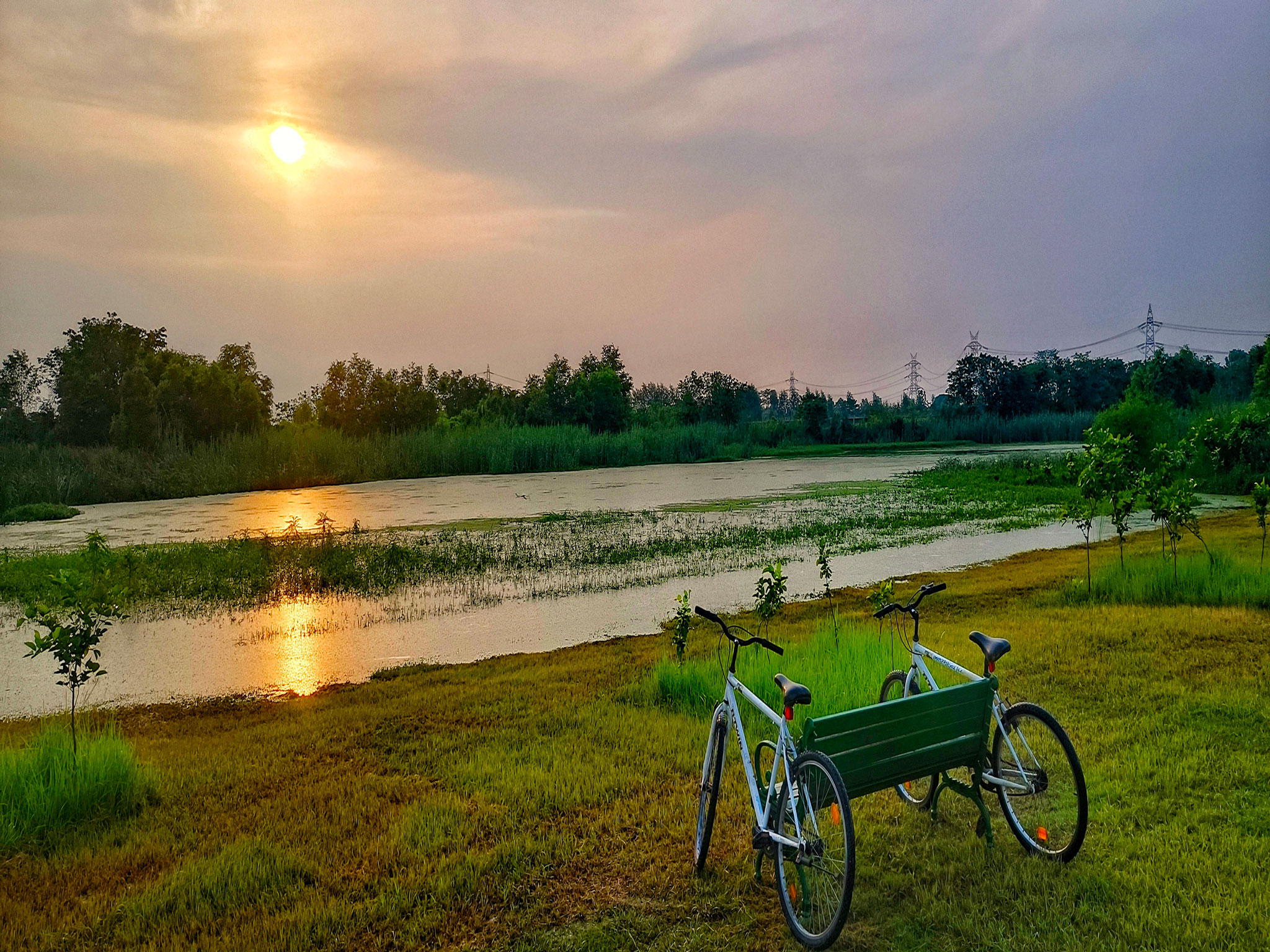
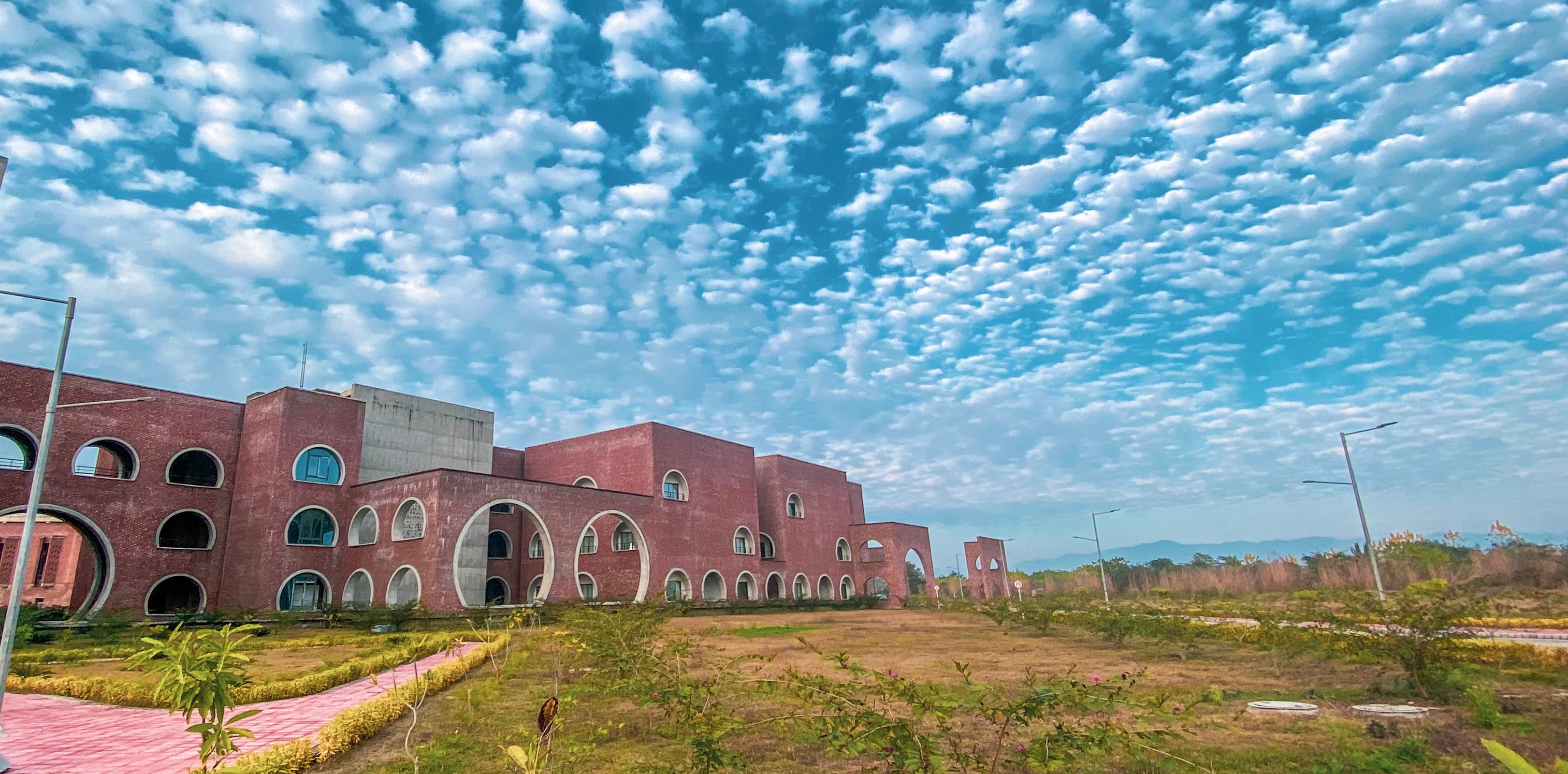
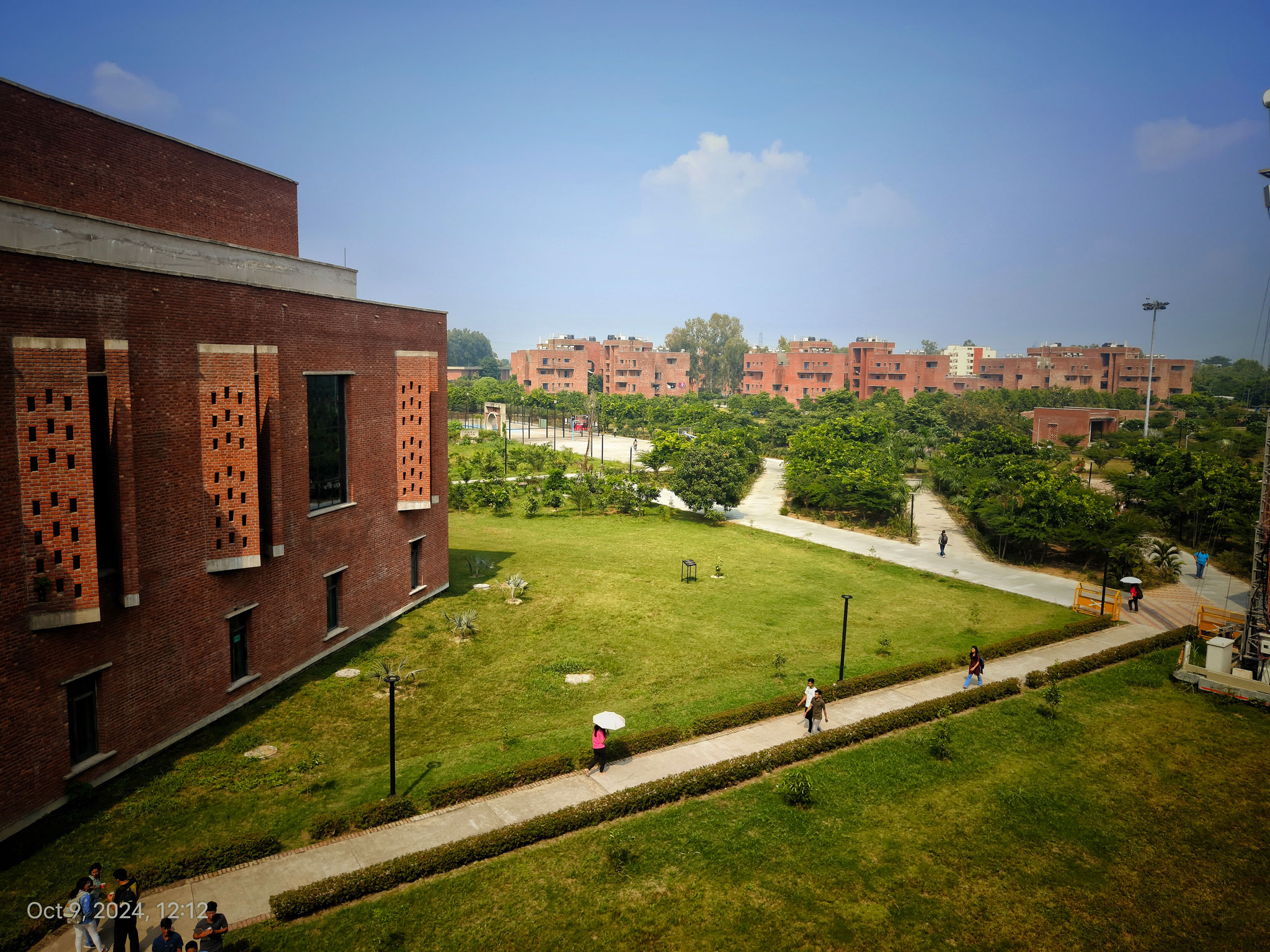
The Indian Institute of Management Kashipur is a second-generation IIM set up by the Government of India in 2011. It aspires to achieve excellence in management education by employing innovative teaching methods, promoting high-quality research, and practising sustainable leadership. Celebrating fourteen years of serving the education and management sector, IIM Kashipur is committed to its four core values: collegiality, transparency, green consciousness, and proactive engagement with all stakeholders. The institute believes that as an institution of national importance, it has a larger role to play in the field of management education and social transformation. Our strategic goals include improving the academic ecosystem, fostering synergy between educational theory, practice, and research, promoting innovation, entrepreneurship, and public service, empowering local stakeholders, uplifting economically challenged sections of society, and promoting gender diversity. The institute is bestowed with the stunning beauty of nature, lending a wholesome experience to academic rigour. The 200-acre campus, situated just 25 km away from Jim Corbett National Park, spreads cheer and excitement in the serene town of Kashipur, nestled in the lap of the Himalayas. The institute is also situated in one of the densest industrialised districts with more than 180 ventures that have set up their plants in and around the region. For further details on IIM Kashipur, please visit https://www.iimkashipur.ac.in

MERC 2026 THEME

Reimagining Management in an Era of Poly-Crisis

For the better part of the last thirty years, the dominant philosophy of global management was defined by a single metric: Efficiency. The mandate was clear - minimise costs, eliminate redundancy, and maximise short-term output. However, the post-2020 landscape has fundamentally upended this logic. We have entered an era of poly-crisis, where geopolitical volatility, climate emergencies, and rapid technological shocks occur simultaneously. In this new reality, we are discovering that efficiency without robustness is a liability.

Reimagining Management in an Era of Poly-Crisis calls for a fundamental rethinking of how organisations are designed, governed, and led under conditions of persistent uncertainty. The theme foregrounds resilience as a core managerial capability, emphasising adaptability, redundancy, and long-term value creation over narrow optimisation. It invites research that examines how technology, sustainability, and social responsibility intersect to reshape strategies, operations, and organisational behaviour. By encouraging interdisciplinary and practice-oriented insights, the conference aims to advance management thinking that enables institutions to endure, evolve, and remain legitimate in an increasingly complex and unstable world.

CALL FOR PAPERS

We extend a formal invitation to scholars, students, and professionals to submit research-oriented and practical papers that align with the conference's central theme. The conference is particularly keen on the broad subject areas and tracks detailed below and welcomes submissions related to any of the following tracks or related fields.

Conference Tracks

Communications
  • Making sense of uncertainty in risk and crisis situations
  • Leadership, Authority, and Trust Communication
  • Digital Platforms, AI-Mediated Communication and Information Integrity
  • Global crisis, diplomacy, and national image
  • Communication in Social, Economic, and Institutional Transitions
Economics
  • The Economics of Technology, Innovation, and the Future of Work
  • Macroeconomic Resilience, Trade, and Global Value Chains
  • Institutions, Governance, and the Political Economy of Development
  • Climate Action, Energy Transition, and Green Growth
  • Causal Inference and Methodological Advances in Policy Evaluation
  • Structural Transformation, Resource Re-allocation, Aggregate Productivity, Labour Force Changes and Structural Shift
Finance and Accounting
  • Asset Valuation, Market Behaviour, and Investment Practices in a Volatile and Disrupted Financial Environment
  • Financial Risk, Stability, and Institutional Resilience across Global and Emerging Markets
  • Corporate Finance and Sustainable Value Creation: Technology Adoption, Governance, and Societal Impact
  • Accounting, Auditing, and Financial Reporting for Transparency, Accountability, and Risk Management
  • Banking, Credit Markets, and Financial Systems Transformation: Institutional Structures, Policy Frameworks, and Cross-Border Linkages
IT and Systems
  • Digital Business, Enterprise Systems & Resilient IS Strategy
  • Data, Analytics, Artificial Intelligence & Decision Support for Adaptive Management
  • Information Security, Privacy, Risk & Cyber-Resilience
  • Information Systems, Human Behaviour & Sustainable Society
  • IS Infrastructure, Architecture & Green Technologies
  • Socio-technical Systems, HCI, and Organisational Resilience
Marketing
  • Digital marketing, AI, personalisation, and ethical challenges
  • Branding, communication, and trust-building in crisis contexts
  • Consumer behaviour under uncertainty, fear, risk, and scarcity
  • Platform markets, ecosystems, and market shaping
  • Service marketing and customer experience during disruptions
Operations Management & Decision Sciences
  • Digital Twins & AI-driven Supply Chain Resilience
  • Circular Economy and Net-Zero Operations
  • Decision modelling under uncertainty
  • Data science for humanitarian and healthcare logistics
  • Stochastic Optimisation & Risk Analytics
Organizational Behavior and Human Resource Management
  • Technology–HR Integration: AI, Analytics, and Digital Transformation
  • Diversity, Equity, and Inclusion (DEI) in Human Resource Management
  • Alternative Work Arrangements and the Future of Work
  • Sustainable HRM and Changing Employment Relations
  • Employee Well-being, Mental Health, and Human Sustainability at Work
Public Policy and Governance
  • Policy Resilience for Developed India: Realising Vision 2047 in a Dynamic World
  • Administrative Agility & Efficiency in the AI-Driven Fourth Industrial Revolution
  • Governance for SDGs & Net Zero: Climate Policy, Institutions and Public Administration
  • Decentralisation & Non-State Actors in Local Governance and Public Service Delivery
  • Public Policy & Public Administration as a Discipline: Foundations, Frontiers, and Basic Research
Strategy and Entrepreneurship
  • Strategic Resilience and Crisis Management
  • Technology-Driven Strategy and Digital Transformation
  • Sustainable and Responsible Competitive Strategies
  • Corporate Strategy in a Changing Global and Geopolitical Landscape
  • Strategic Innovation and Business Model Renovation
  • Entrepreneurship & Opportunity Creation

SUBMISSION GUIDELINES

  1. Important Dates & Submission Types:
    • Submission Deadline: All full manuscripts or extended abstracts must be submitted on or before March 20, 2026.
    • Full Manuscripts: Submissions must not exceed 5,000 words, excluding references.
    • Extended Abstracts: Submissions must be limited to 1,500 words, excluding references.
    • Presentation Modes: Accepted authors may present their work in either offline or online modes.
  2. General Formatting Requirements:

    All submissions must adhere to the following technical standards to ensure consistency across the colloquium:
    • Font: Times New Roman, 12-point size
    • Spacing: Single-spaced
    • Alignment: Justified alignment
    • Referencing: APA Style (latest edition)
    • File Format: Word
  3. Submission Procedure & Blind Review:

    To facilitate a double-blind peer review, authors must submit two separate documents:

    • Title Page (Separate Document):
      • The title of the research.
      • Full names of all authors.
      • Institutional affiliations.
      • Contact email addresses.
    • Main Document (Anonymised):
      • The main document should not include any identifying information (such as names, affiliations, etc.) to ensure a fair review.
      • The scope should cover research aims, intended contribution, theoretical framework, research design, and practical implications.
  4. Detailed Structure for Extended Abstract / Full Manuscript:

    Extended Abstract / Full Manuscript should follow this specific structure:

    1. Title: Concise and reflective of the key topic.
    2. Abstract (150–200 words): A summary of the research problem, objectives, methodology, and key findings.
    3. Keywords: Provide 4–6 relevant keywords.
    4. Main Body:
      • Introduction: Define the research problem, objectives, and significance.
      • Theoretical Framework: Discuss relevant theories, concepts, and prior research.
      • Methodology: Detail the research design, data collection, and analysis methods.
      • Findings and Implications: Highlight preliminary findings and discuss theoretical and practical relevance.
      • Conclusion: Summarise the study and propose future research directions.
  5. Plagiarism & Academic Integrity:
    • All submitted work must adhere to the latest UGC plagiarism guidelines.
    • Submissions must be original and free from any form of academic misconduct.

MERC 2026 REGISTRATION FEE

Category Presenter from India Attendee from India Presenter from Abroad
Student / Full-Time Doctoral Scholar ₹ 5,000 ₹ 5,000 US $120
Faculty / Working Professional ₹ 10,000 ₹ 10,000 US $500
Amount will be same for Offline and Online Presenters

Presenter’s Registration Link: Registration Link

Attendee Registration link: Registration Link

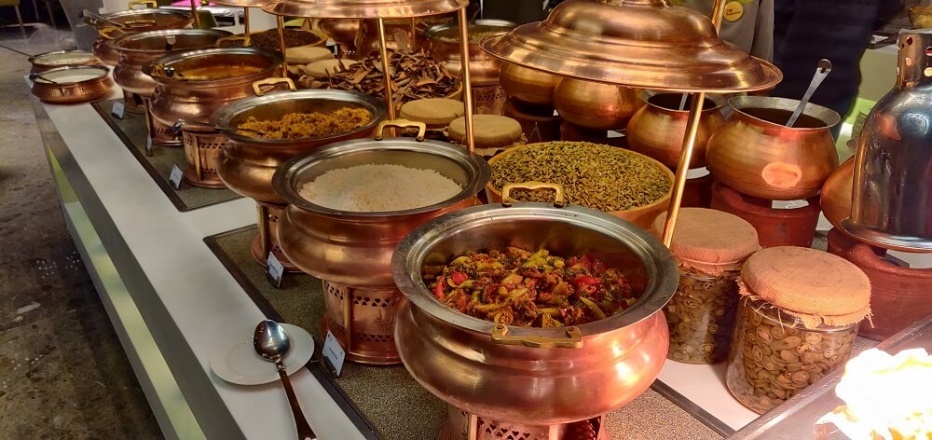
The registration fee includes participation on all days of the colloquium, a conference kit, refreshments, lunch, dinner during colloquium days, networking opportunities during the welcome ceremony and shahi dawat, a certificate of participation, and an excursion. IIM Kashipur will arrange boarding, lodging, and food for all conference participants and attendees from May 29 to May 31, 2026 (three days).

NOTE:

IMPORTANT DATES

Event Date
Paper Submission Opens 22-Jan-26
Paper Submission Closes 20-Mar-26
Intimation of Acceptance 1st week of April
Registration and Payment Gateway Opens 1st week of April
Registration Deadline 20-Apr-26
Details Offline Presenter (Domestic and Foreign) Online Presenter
MERC Goodies
Certificate
Food and Accommodation
Access to Tracks and Workshops
Excursion

BEST PAPER AWARDS

The three best papers will be awarded cash prizes of INR 30,000, INR 20,000, and INR 15,000, respectively, based on the criteria laid out by the panel of experts.

VENUE AND ACCOMODATION

MERC will be organised at IIM Kashipur. Presenters will be comfortably accommodated at the IIM Kashipur campus. Accommodation will be available on a single-occupancy basis. Food, lodging, and excursion trip expenses are covered in the registration fee.

SHAHI DAWAT will be hosted in the campus.

Complimentary Excursion

One day COMPLIMENTARY EXCURSION will be arranged.

LOCAL ATTRACTIONS

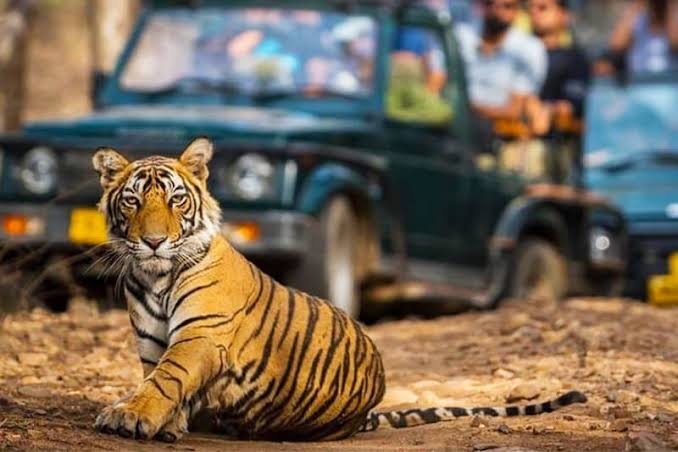
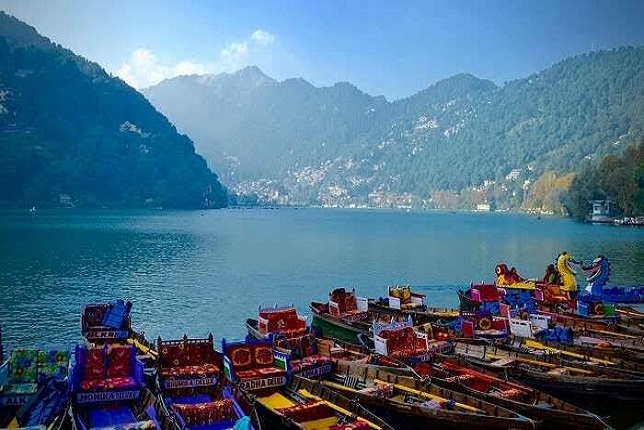
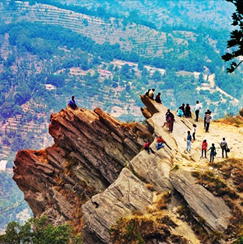
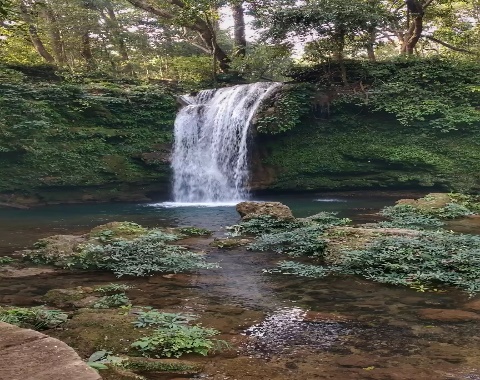
IIM Kashipur is situated in the picturesque region of Kumaon, Uttarakhand, just 25 km from Jim Corbett National Park. Tourist attractions such as Nainital, Bhimtal, Mukteshwar, Almora, and Ranikhet have mesmerising and breathtaking views of the Shivalik range.

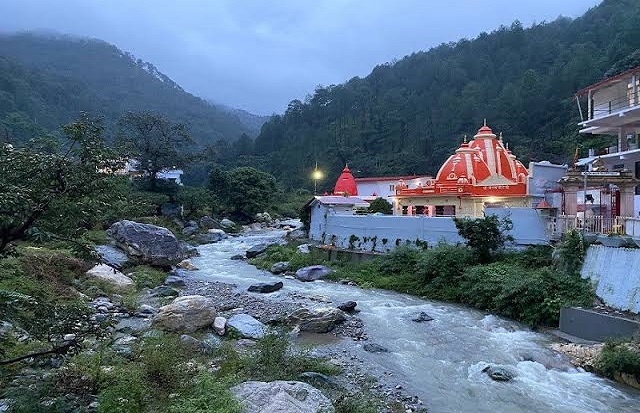
Kashipur, nestled in Uttarakhand’s Udham Singh Nagar district, embodies a rich blend of natural allure and historical depth. Once called Govishana during King Harsha’s era, it thrived on trades such as textiles and metals. Although its twelve lakes have dwindled to three, the beauty and sanctity of places like Govindsham Fort, Tumaria Dam, and ancient temples like Shri Bheemshankar and Chaiti Devi continue to attract visitors. The Drona Sagar Lake, linked to Guru Dronacharya, is a highlight, symbolising the area's mythological connections.

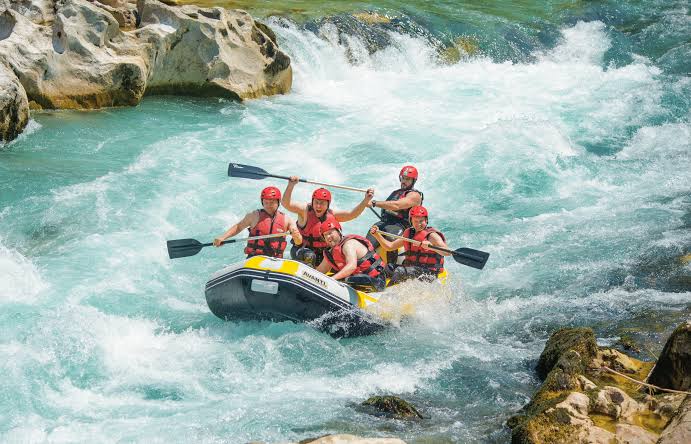
Uttarakhand stands out for its picturesque landscapes, mythological narratives, and rich cultural heritage. It’s a realm where ancient traditions, spiritual sites, and environmental activism converge. Beyond Kashipur, Uttarakhand offers a variety of destinations like Nainital, Mussoorie, Rishikesh, Jim Corbett National Park, Kausani, New Tehri, Bhimtal, and Dehradun. These places provide a blend of spirituality, adventure, wildlife, and breathtaking natural beauty, catering to every traveller's desire.

PATRON

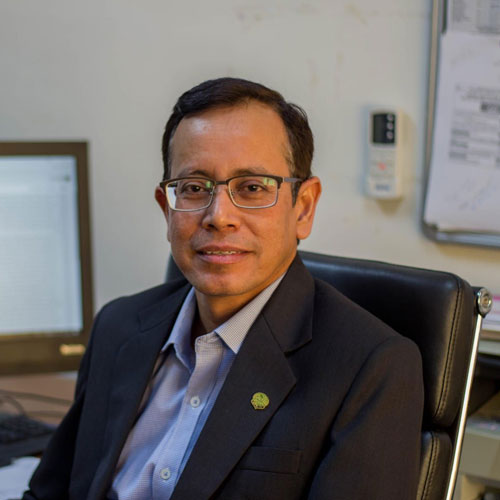
Prof. Neeraj Dwivedi Director, IIM Kashipur

Prof. Neeraj Dwivedi
Director, IIM Kashipur

ADVISORY COMMITTEE

Prof. Sabyasachi Patra

Prof. Sabyasachi Patra

Colloquium Convenor
Prof. Vivek Roy

Prof. Vivek Roy

Colloquium Convenor
Prof. Jagadish Prasad Sahu

Prof. Jagadish Prasad Sahu

Prof. Ratikant Bhaska

Prof. Ratikant Bhaskar

Prof. Thasni T

Prof. Thasni T

OFFICE TEAM

rachana

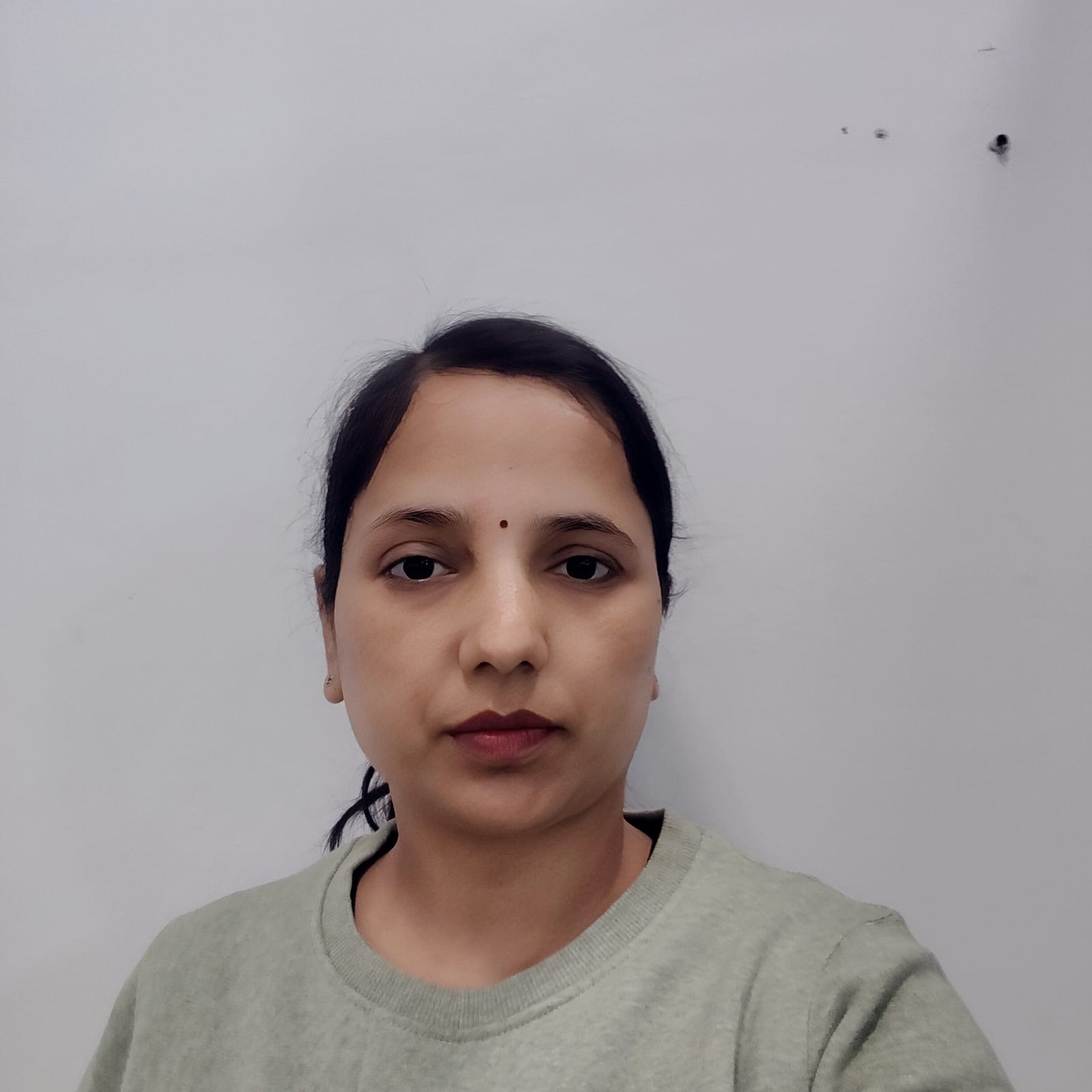
Ms. Rachana Sharma

ashish

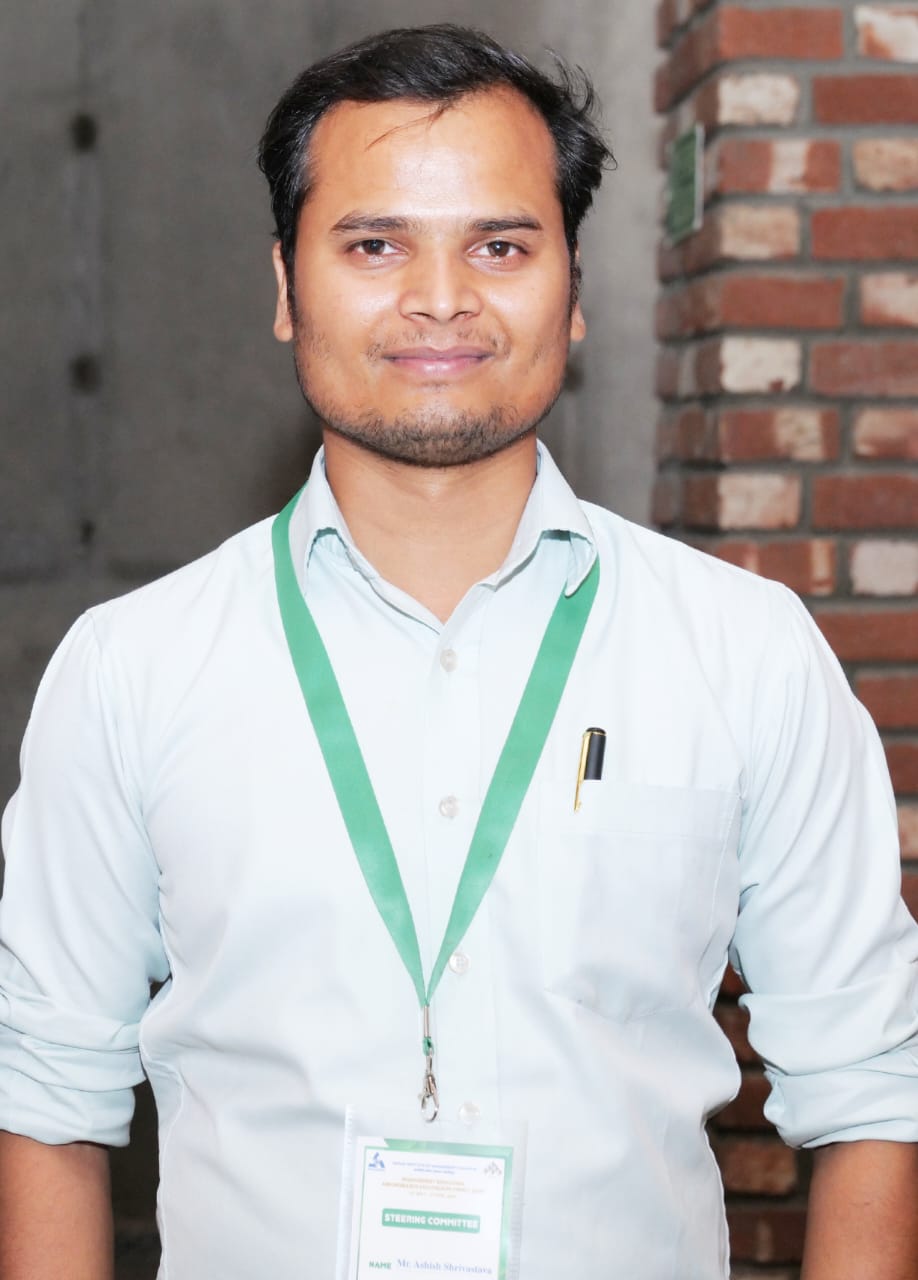
Mr. Ashish Shrivastava

Moh'd Shahnawaz

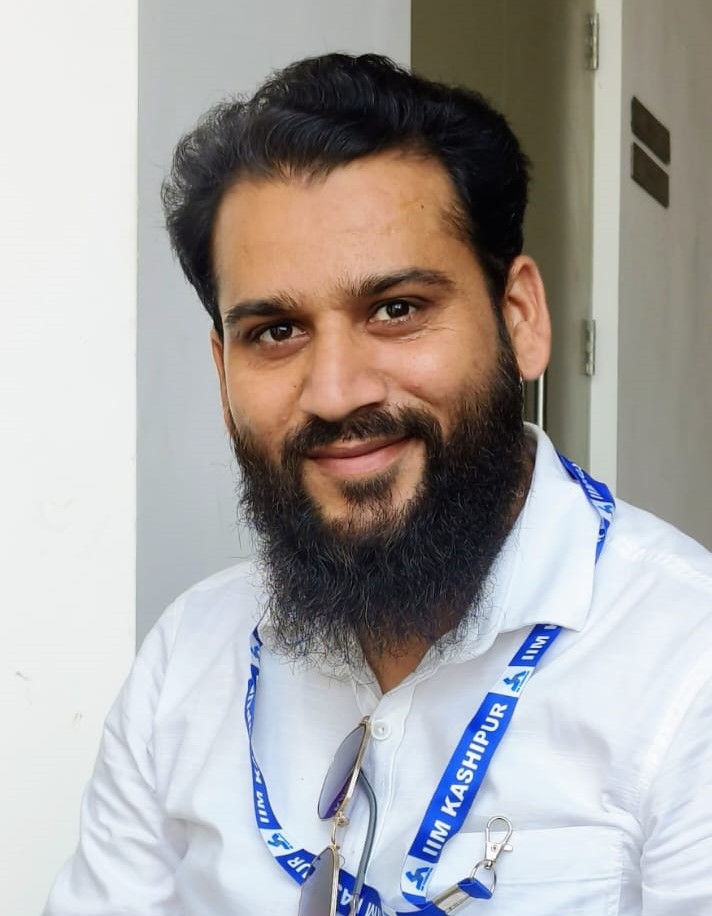
Mr. Moh'd Shahnawaz

Vivek Bhatnagar

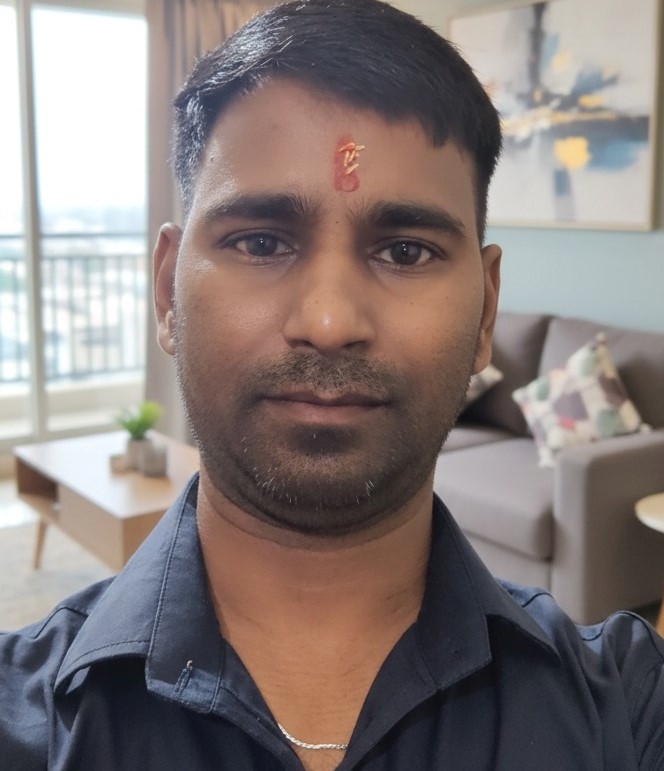
Mr. Vivek Bhatnagar

STUDENT ORGANISING TEAM

Adarsh

Adarsh

Anjali Sen

Anjali Sen

Aryama Das

Aryama Das

Gauri Verma

Gauri Verma

Gopal Mohanraj Ratnam

Gopal Mohanraj Ratnam

Ishan Saxena

Ishan Saxena

Lewlynn Anthony Dias De Mello

Lewlynn Anthony Dias De Mello

Sachin Kumar

Sachin Kumar

Shaili Sharma

Shaili Sharma

Shikhar Meshram

Shikhar Meshram

Raushan Kumar

Raushan Kumar

Vishal Gupta

Vishal Gupta

HOW TO REACH

To reach IIM Kashipur from Kashipur Railway Junction, a mere 9 kilometres away, the most efficient option is to hire a taxi or auto-rickshaw, which are readily available at the station. From Moradabad Junction, situated around 60 kilometres from the institute, taxis outside the station or ride-hailing apps like Ola and Uber can swiftly transport you. For those starting their journey from Delhi, approximately 250 kilometres away, taking a train to Kashipur Junction is an option. Trains from Delhi to Kashipur might not be as frequent, but they offer a direct route. From Kashipur Junction, taxis are readily available for the short 9-kilometre trip to IIM Kashipur, making railway transportation a convenient option for travellers.

Reach us by: IIM Kashipur

Indian Institute of Management Kashipur (IIM)
Kundeshwari, Kashipur -244713, Uttarakhand

CONTACT US

Doctoral Programmes Office

Tel: 7088270882 (ext. - 501)
7088270882 (ext. - 508)

mail

MERC Steering Committee

merc2026[at]iimkashipur[dot]ac[dot]in

maps

Indian Institute of Management Kashipur (IIM)

Kundeshwari, Kashipur -244713, Uttarakhand www[dot]iimkashipur[dot]ac[dot]in